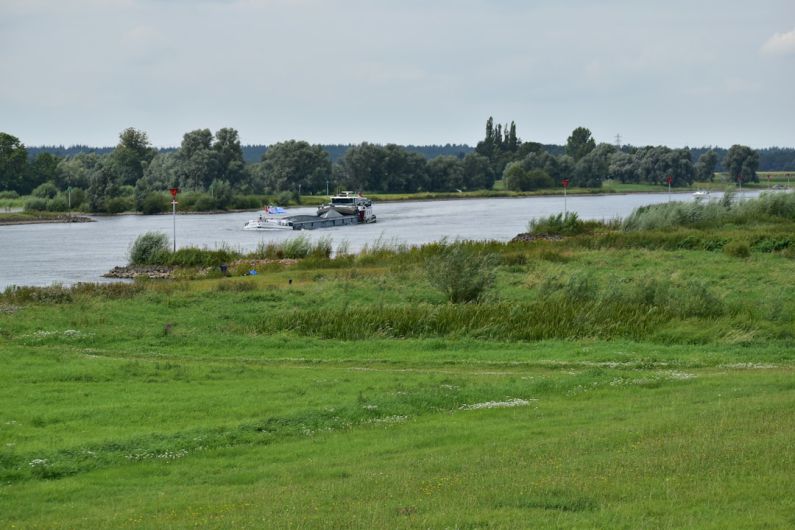
Challenges and Solutions for Rural Transportation
**Challenges and Solutions for Rural Transportation**
Rural areas are often characterized by vast landscapes, sparse populations, and limited infrastructure, presenting unique challenges when it comes to transportation. Residents of rural communities often face difficulties in accessing essential services, employment opportunities, and social activities due to inadequate transportation options. In this article, we will explore the challenges faced by rural transportation systems and discuss potential solutions to improve accessibility and connectivity for residents living in these areas.
**Inadequate Public Transportation**
One of the primary challenges in rural transportation is the lack of reliable and accessible public transportation services. Many rural areas have limited or infrequent bus routes, making it difficult for residents to travel to work, school, or healthcare facilities. This lack of public transportation options can result in isolation and limited mobility for individuals who do not have access to a private vehicle.
**Solution: Demand-Responsive Transportation**
One potential solution to address the issue of inadequate public transportation in rural areas is the implementation of demand-responsive transportation services. Demand-responsive transportation allows individuals to request a ride on-demand, similar to ride-hailing services like Uber and Lyft. By utilizing technology to coordinate rides and optimize routes, demand-responsive transportation services can improve accessibility for residents in rural communities.
**Poor Road Conditions**
Another significant challenge for rural transportation systems is the maintenance of road infrastructure. Rural roads are often subject to harsh weather conditions, such as heavy snowfall and flooding, which can lead to potholes, washouts, and other hazards. Poor road conditions not only make travel more challenging but also increase the risk of accidents and vehicle damage for residents in rural areas.
**Solution: Road Maintenance Programs**
To address the issue of poor road conditions, local governments and transportation agencies can implement road maintenance programs to repair and upkeep rural road infrastructure. Regular maintenance activities, such as filling potholes, clearing debris, and grading gravel roads, can help improve road safety and ensure reliable transportation for residents living in rural areas.
**Limited Access to Healthcare**
Access to healthcare services is another critical issue for rural communities, as many residents may have to travel long distances to reach medical facilities. Limited access to healthcare can have serious implications for individuals in rural areas, particularly in emergency situations where timely medical intervention is crucial.
**Solution: Telehealth Services**
One innovative solution to improve access to healthcare in rural areas is the use of telehealth services. Telehealth allows patients to consult with healthcare providers remotely through video calls, phone consultations, and other digital platforms. By utilizing telehealth services, residents in rural communities can access medical care without the need to travel long distances, improving healthcare outcomes and reducing barriers to healthcare access.
**Lack of Transportation Options for Older Adults**
Older adults living in rural areas often face challenges in accessing transportation services, which can impact their ability to participate in social activities, attend medical appointments, and visit family and friends. Limited transportation options for older adults can lead to social isolation and reduced quality of life.
**Solution: Volunteer Driver Programs**
One solution to address the lack of transportation options for older adults in rural areas is the implementation of volunteer driver programs. These programs recruit community volunteers to provide transportation services to older adults who may have difficulty driving or accessing public transportation. Volunteer driver programs can help enhance mobility and social connectivity for older adults in rural communities, enabling them to remain active and engaged in their local communities.
**Enhancing Rural Transportation Connectivity**
In conclusion, addressing the challenges faced by rural transportation systems requires a multi-faceted approach that combines innovative solutions with strategic planning and investment. By improving access to public transportation, maintaining road infrastructure, utilizing telehealth services, and implementing volunteer driver programs, rural communities can enhance transportation connectivity and accessibility for residents living in these areas. Prioritizing the development of sustainable and inclusive transportation solutions is essential to ensure that all individuals, regardless of their location, have access to safe, reliable, and efficient transportation services.