Augmented Reality in Logistics: the Next Big Thing
The landscape of logistics is rapidly evolving, driven by technological advancements that are reshaping the industry. One such innovation that is poised to revolutionize logistics operations is augmented reality (AR). Augmented reality is a technology that overlays digital information onto the real world, enhancing the user’s perception and interaction with their environment. In the realm of logistics, AR is proving to be a game-changer, offering unprecedented levels of efficiency, accuracy, and productivity. Let’s delve into how augmented reality is set to become the next big thing in the logistics sector.
Enhanced Order Picking and Packing
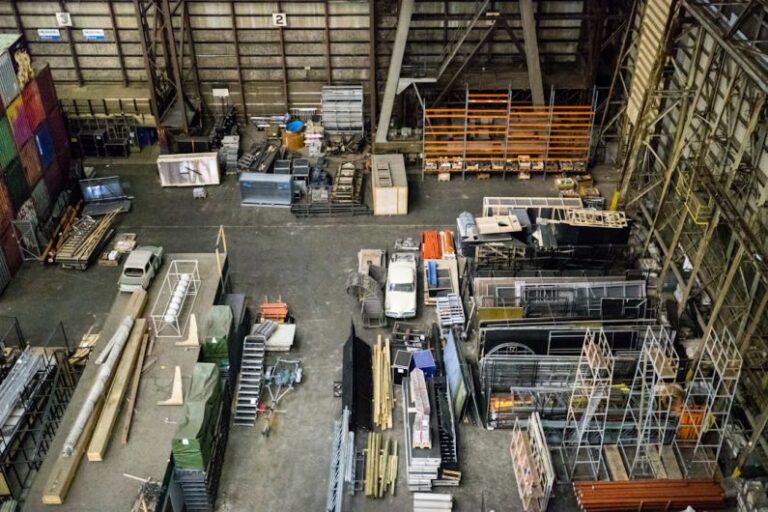
One of the key areas where augmented reality is making a significant impact in logistics is in order picking and packing processes. Traditionally, warehouse workers relied on paper lists or handheld devices to locate and pick items for orders, a method that was prone to errors and inefficiencies. With AR technology, workers can now wear AR-enabled smart glasses or headsets that provide real-time visual instructions on where to locate items in the warehouse. This hands-free approach not only speeds up the picking process but also reduces errors, leading to higher order accuracy rates.
Optimized Inventory Management
Inventory management is a critical aspect of logistics operations, and any inaccuracies or discrepancies can lead to costly disruptions in the supply chain. AR technology is being leveraged to streamline inventory management processes by providing real-time visibility into warehouse stock levels. By simply scanning shelves with AR-enabled devices, warehouse staff can instantly access information on stock quantities, locations, and replenishment requirements. This real-time data ensures that inventory levels are always up to date, leading to improved inventory accuracy and reduced stockouts.
Efficient Loading and Unloading
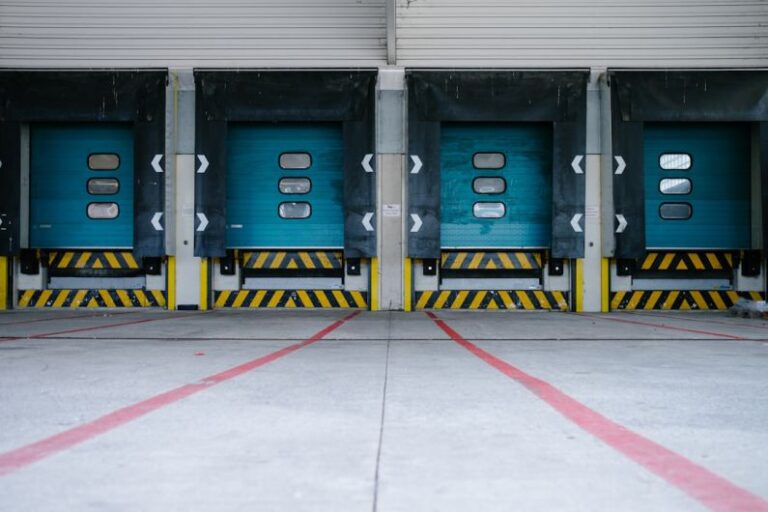
Loading and unloading cargo is a labor-intensive task that requires precision and coordination to ensure that goods are safely and securely transported. Augmented reality is facilitating this process by providing visual aids and instructions to logistics personnel during loading and unloading operations. AR technology can overlay digital markers on cargo containers, pallets, or vehicles, guiding workers on optimal loading sequences, weight distribution, and stacking configurations. This not only increases loading efficiency but also minimizes the risk of damage to goods during transit.
Enhanced Last-Mile Delivery
The last mile of the delivery process is often the most challenging and costly segment of the supply chain. Augmented reality is being harnessed to optimize last-mile delivery operations by providing delivery drivers with real-time navigation and route optimization tools. AR-enabled navigation systems can overlay route information, traffic updates, and delivery instructions directly onto the driver’s field of view, ensuring efficient and timely deliveries. This enhanced visibility and guidance help drivers navigate complex urban environments, locate delivery addresses more easily, and optimize delivery routes to reduce fuel consumption and delivery times.
Improved Safety and Training
Safety is paramount in logistics operations, especially in environments where heavy machinery, vehicles, and personnel coexist. Augmented reality is enhancing safety measures by providing workers with real-time hazard awareness and training simulations. AR technology can overlay safety guidelines, warning signals, and virtual barriers to alert workers to potential dangers in the workplace. Additionally, AR-based training modules enable new employees to simulate real-world scenarios and practice operational procedures in a safe virtual environment before engaging in hands-on tasks.
The Future of Logistics with Augmented Reality
As the logistics industry continues to embrace digital transformation, augmented reality is poised to play a pivotal role in shaping the future of logistics operations. From enhancing order picking efficiency to optimizing inventory management, streamlining loading and unloading processes, improving last-mile delivery, and ensuring safety and training compliance, AR technology offers a myriad of benefits that can revolutionize the way logistics operations are conducted. With its ability to overlay digital information onto the physical world, augmented reality is set to become the next big thing in logistics, paving the way for a more efficient, accurate, and productive supply chain ecosystem.