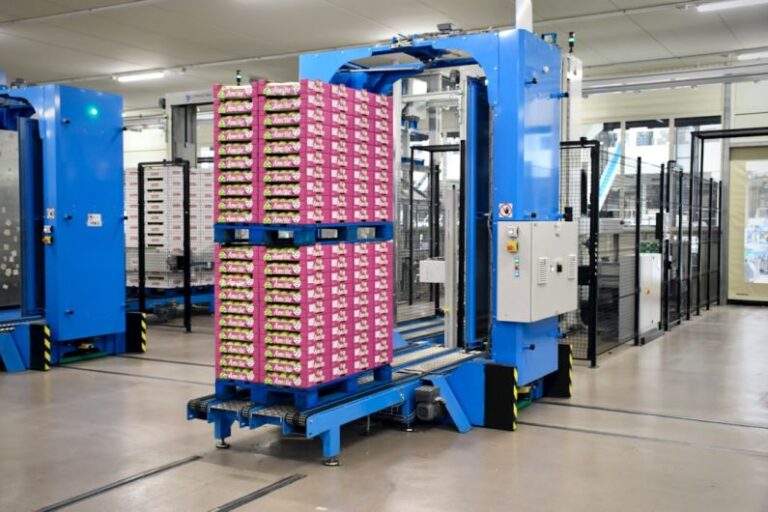
Enhancing Warehouse Operations with Iot Devices
Warehouses play a crucial role in the supply chain, serving as the central hub for storing, organizing, and distributing goods. To meet the increasing demands of a fast-paced market, warehouse operations need to be efficient, accurate, and cost-effective. One of the key technologies that have revolutionized the way warehouses operate is the Internet of Things (IoT). By integrating IoT devices into warehouse operations, businesses can streamline processes, improve inventory management, enhance overall productivity, and gain a competitive edge in the industry.
**Maximizing Inventory Visibility**
One of the significant challenges in warehouse management is maintaining accurate inventory levels. With the help of IoT devices such as RFID tags and sensors, warehouses can achieve real-time visibility into their inventory. These devices can track the movement of goods throughout the warehouse, providing accurate data on stock levels, location, and status. By having instant access to this information, warehouse managers can make informed decisions regarding stock replenishment, order fulfillment, and inventory optimization.
**Optimizing Storage Space**
Efficient space utilization is vital for maximizing warehouse productivity. IoT devices enable warehouses to optimize their storage space by providing insights into the utilization of racks, shelves, and storage bins. By monitoring the usage of space in real-time, warehouses can identify underutilized areas and reorganize their layout for better efficiency. Additionally, IoT devices can help in automating the process of locating and storing items, reducing the time spent on manual inventory management tasks.
**Enhancing Equipment Maintenance**
IoT devices can be integrated into warehouse equipment such as forklifts, conveyor belts, and packaging machines to monitor their performance and condition. By collecting data on equipment usage, temperature, and vibration levels, warehouses can implement predictive maintenance strategies to prevent breakdowns and minimize downtime. This proactive approach to equipment maintenance not only extends the lifespan of machinery but also ensures smooth operations within the warehouse.
**Increasing Worker Safety**
Worker safety is a top priority in warehouse operations, where employees are constantly moving goods, operating heavy machinery, and working in potentially hazardous environments. IoT devices can enhance worker safety by monitoring environmental conditions, detecting potential hazards, and providing real-time alerts in case of emergencies. Wearable devices equipped with sensors can track the movement and location of workers, ensuring their safety and enabling quick responses in case of accidents or injuries.
**Streamlining Order Fulfillment**
Efficient order fulfillment is essential for meeting customer demands and maintaining high service levels. IoT devices can streamline the order fulfillment process by automating order picking, packing, and shipping operations. By utilizing smart picking technologies such as pick-to-light systems and voice-guided picking devices, warehouses can improve order accuracy, reduce picking errors, and expedite the fulfillment process. This results in faster order processing, shorter lead times, and increased customer satisfaction.
**Improving Supply Chain Visibility**
In today’s interconnected world, supply chain visibility is crucial for effective decision-making and risk management. IoT devices enable warehouses to gather real-time data on the movement of goods across the supply chain, from suppliers to customers. By tracking shipments, monitoring delivery routes, and analyzing transportation data, warehouses can optimize their logistics operations, reduce transportation costs, and enhance overall supply chain visibility. This end-to-end visibility allows businesses to identify bottlenecks, mitigate risks, and ensure timely delivery of goods to customers.
**Driving Operational Efficiency**
Overall, the integration of IoT devices into warehouse operations is a game-changer for businesses looking to improve efficiency, productivity, and competitiveness. By leveraging the power of IoT technology, warehouses can enhance inventory visibility, optimize storage space, maintain equipment, ensure worker safety, streamline order fulfillment, improve supply chain visibility, and drive operational efficiency. Embracing IoT devices is not just an option but a necessity for warehouses seeking to stay ahead in today’s dynamic and demanding market landscape.
**Embracing the Future of Warehouse Operations**
As technology continues to advance, the role of IoT devices in warehouse operations will only grow in significance. By embracing the potential of IoT technology, warehouses can stay agile, responsive, and efficient in the face of evolving market trends and consumer demands. The future of warehouse operations lies in the seamless integration of IoT devices, enabling businesses to adapt to changing conditions, optimize their processes, and deliver superior service to customers. In this digital age, IoT is not just a tool but a strategic imperative for warehouses looking to thrive in a competitive marketplace.