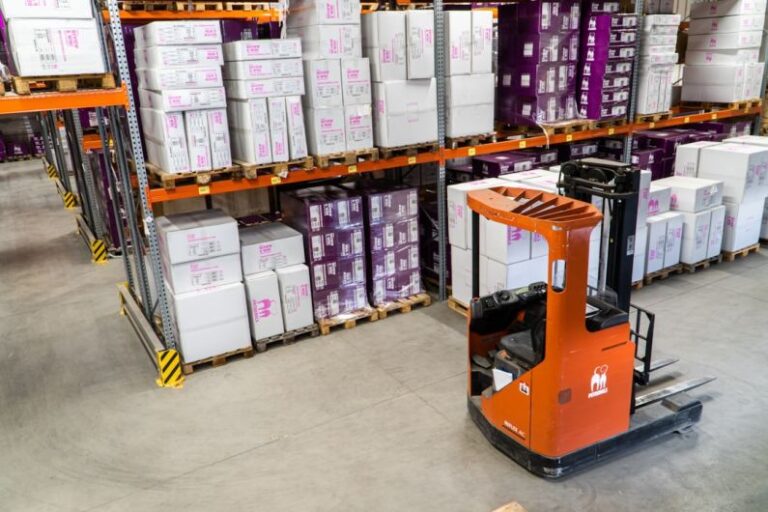
Increasing Throughput with Automated Systems
In today’s fast-paced and competitive business environment, maximizing efficiency and productivity is essential for staying ahead of the curve. One key strategy that organizations are increasingly turning to is the implementation of automated systems to increase throughput. By leveraging technology to streamline processes and eliminate manual tasks, companies can achieve higher levels of output, reduce errors, and ultimately drive growth. In this article, we will explore how automated systems can help businesses boost their throughput and gain a competitive edge in their respective industries.
**Streamlining Operations**
Automated systems play a crucial role in streamlining operations across various functions within an organization. By automating repetitive tasks such as data entry, inventory management, and order processing, companies can significantly reduce the time and effort required to complete these activities. This not only frees up valuable resources but also minimizes the risk of human error, leading to greater accuracy and consistency in output. With streamlined operations, businesses can increase their throughput without compromising on quality, ultimately improving customer satisfaction and loyalty.
**Enhancing Production Efficiency**
In manufacturing and production environments, automated systems offer a range of benefits that can help improve efficiency and output levels. Automated machinery and robotics can perform tasks with precision and speed, leading to higher production rates and lower cycle times. By integrating automated systems into the production line, companies can optimize resource utilization, minimize downtime, and ensure consistent product quality. This enhanced production efficiency enables businesses to meet increasing demand, reduce lead times, and capitalize on market opportunities more effectively.
**Optimizing Supply Chain Management**
Effective supply chain management is critical for ensuring smooth operations and timely delivery of goods and services. Automated systems can play a key role in optimizing supply chain processes, from procurement and inventory control to logistics and distribution. By implementing automated tools such as inventory management software, barcode scanners, and automated routing systems, companies can achieve greater visibility and control over their supply chain operations. This leads to improved inventory accuracy, reduced stockouts, and faster order fulfillment, ultimately increasing throughput and responsiveness to customer demands.
**Empowering Decision-Making**
Automated systems are not just about improving operational efficiency; they also provide valuable data and insights that can empower better decision-making within an organization. By capturing and analyzing real-time data on key performance indicators, automated systems enable businesses to identify trends, anticipate bottlenecks, and make informed decisions to optimize processes and resource allocation. This data-driven approach helps businesses identify opportunities for improvement, fine-tune operations, and adapt quickly to changing market conditions, ultimately driving higher throughput and profitability.
**Driving Innovation and Growth**
In today’s digital age, innovation is key to staying competitive and driving sustainable growth. Automated systems can serve as a catalyst for innovation by enabling businesses to experiment with new technologies, processes, and business models. By automating routine tasks, companies can free up resources to focus on strategic initiatives, research and development, and exploring new market opportunities. This culture of innovation not only accelerates business growth but also fosters a dynamic and agile organizational culture that is responsive to market trends and customer needs.
**Maximizing Competitive Advantage**
In conclusion, automated systems offer a myriad of benefits for businesses looking to increase their throughput and gain a competitive advantage in today’s dynamic business landscape. By streamlining operations, enhancing production efficiency, optimizing supply chain management, empowering decision-making, driving innovation, and growth, companies can unlock new levels of productivity and profitability. Embracing automation as a strategic imperative can position organizations for long-term success and resilience in the face of evolving market challenges. As technology continues to advance, businesses that leverage automated systems effectively will be well-positioned to thrive and lead in their respective industries.