Maximizing Space Utilization in Warehouses
Warehouses play a crucial role in the supply chain industry, serving as hubs for storing and distributing goods. Maximizing space utilization in warehouses is essential for improving efficiency, reducing costs, and enhancing overall productivity. By implementing strategic space management techniques, businesses can make the most out of their warehouse space and optimize operations. This article explores various strategies and best practices to maximize space utilization in warehouses.
Understanding Warehouse Layout and Design
The first step in maximizing space utilization in warehouses is to have a clear understanding of the layout and design of the facility. Efficient warehouse layout design involves organizing storage areas, aisles, and docking stations in a way that minimizes wasted space and maximizes storage capacity. By optimizing the layout, businesses can improve workflow efficiency and reduce the time and effort required to locate and retrieve items.
Implementing Vertical Storage Solutions
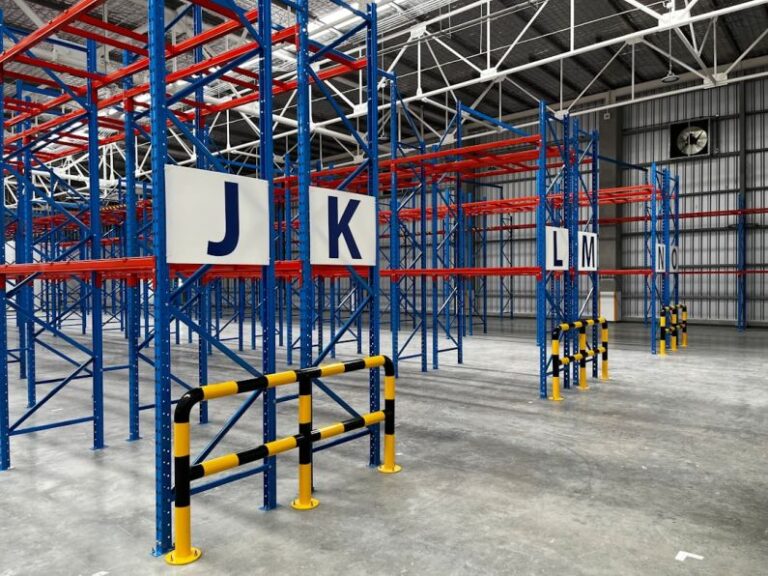
One of the most effective ways to maximize space utilization in warehouses is by implementing vertical storage solutions. Vertical storage systems, such as pallet racking and mezzanine platforms, allow businesses to utilize the vertical space in their warehouses efficiently. By stacking items vertically, businesses can significantly increase storage capacity without expanding the physical footprint of the warehouse. Vertical storage solutions also help improve inventory visibility and accessibility, making it easier to manage and track stock levels.
Utilizing Space-saving Technologies
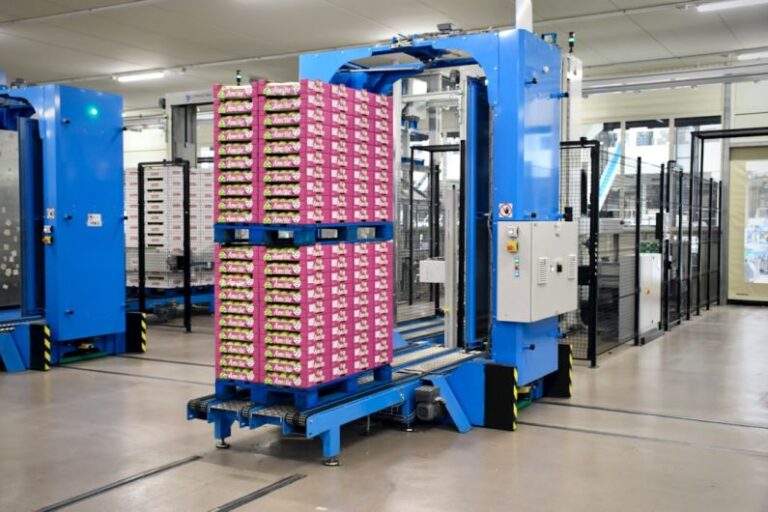
Advancements in technology have revolutionized warehouse operations, offering innovative solutions to maximize space utilization. Automated storage and retrieval systems (AS/RS), for example, use robotic technology to retrieve and store items in an organized and efficient manner. By automating storage processes, businesses can optimize space usage, reduce labor costs, and increase operational efficiency. Other space-saving technologies, such as warehouse management systems (WMS) and inventory tracking software, provide real-time visibility into inventory levels and locations, enabling businesses to make informed decisions and streamline operations.
Optimizing Slotting and Picking Strategies
Slotting and picking strategies play a crucial role in warehouse operations and can significantly impact space utilization. By implementing efficient slotting strategies based on product demand, size, and velocity, businesses can optimize storage space and reduce unnecessary movement within the warehouse. Additionally, implementing smart picking strategies, such as zone picking or batch picking, can help minimize travel time and increase picking efficiency. By optimizing slotting and picking processes, businesses can maximize space utilization and improve overall warehouse productivity.
Utilizing Cross-docking and Just-in-Time Inventory Management
Cross-docking is a logistics strategy that involves unloading incoming shipments from suppliers and immediately loading them onto outbound trucks for distribution, bypassing the need for storage. By implementing cross-docking practices, businesses can reduce storage space requirements, minimize handling costs, and improve order fulfillment speed. Just-in-time (JIT) inventory management is another strategy that helps businesses optimize space utilization by maintaining minimal inventory levels and replenishing stock only when needed. JIT inventory management reduces excess inventory holding costs and maximizes warehouse space efficiency.
Optimizing Space Utilization for Seasonal and Peak Periods
Seasonal peaks and fluctuations in demand can pose challenges for warehouse space utilization. To effectively manage space during peak periods, businesses can implement temporary storage solutions, such as renting additional warehouse space or utilizing external storage facilities. By planning ahead and forecasting demand accurately, businesses can adjust their storage capacity to accommodate seasonal fluctuations and maximize space utilization during peak periods.
Maximizing space utilization in warehouses is crucial for enhancing operational efficiency, reducing costs, and improving overall productivity. By implementing strategic space management techniques, businesses can optimize storage capacity, streamline operations, and gain a competitive edge in the market. By understanding warehouse layout and design, implementing vertical storage solutions, utilizing space-saving technologies, optimizing slotting and picking strategies, and leveraging cross-docking and JIT inventory management, businesses can effectively maximize space utilization and drive success in their warehouse operations.