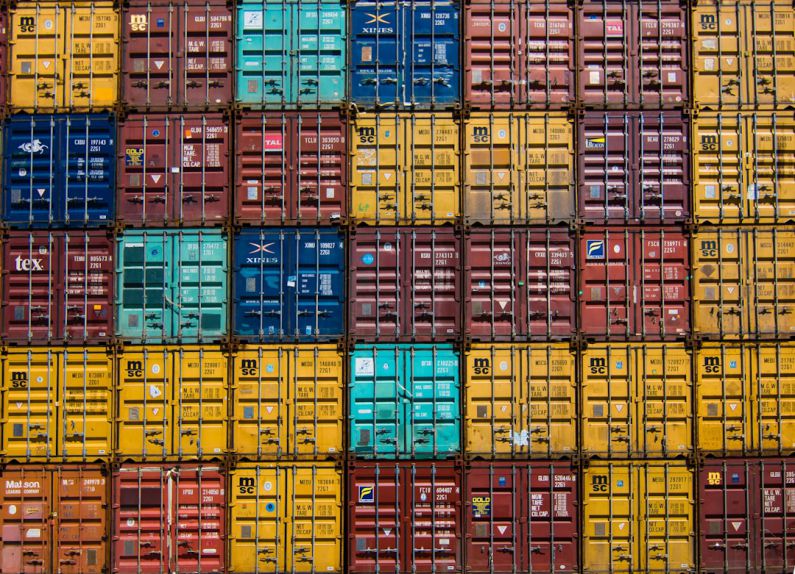
Simplifying Complex Logistics Operations
In the fast-paced world of logistics, managing complex operations efficiently is essential for businesses to stay competitive and meet customer demands. With the rise of e-commerce and the global marketplace, the need for streamlined and simplified logistics processes has never been more critical. From inventory management to transportation and distribution, every step in the supply chain plays a vital role in ensuring goods reach their destination in a timely and cost-effective manner.
**The Challenge of Complex Logistics Operations**
Navigating through the intricacies of a complex logistics network can be a daunting task for even the most experienced professionals. Multiple suppliers, varying transportation modes, fluctuating demand, and stringent timelines all contribute to the complexity of logistics operations. As businesses expand and supply chains become more globalized, the challenges only continue to grow.
**Harnessing Technology for Efficiency**
One of the most effective ways to simplify complex logistics operations is by leveraging technology. Automation, data analytics, and cloud-based platforms can streamline processes and provide real-time visibility into every aspect of the supply chain. By implementing a robust transportation management system (TMS) or warehouse management system (WMS), businesses can optimize routes, track inventory levels, and reduce costly errors.
**Collaboration and Communication**
Effective communication and collaboration among all stakeholders are essential for the smooth running of logistics operations. From suppliers to carriers to warehouse staff, everyone involved in the supply chain must be on the same page to ensure seamless coordination. Utilizing communication tools, such as cloud-based collaboration platforms or mobile apps, can facilitate real-time updates and improve decision-making processes.
**Inventory Management Best Practices**
Proper inventory management is key to simplifying logistics operations and reducing unnecessary costs. Implementing just-in-time inventory practices and utilizing barcode technology can help businesses maintain optimal stock levels and prevent overstocking or stockouts. By conducting regular audits and analyzing historical data, businesses can identify trends and make informed decisions to optimize inventory levels.
**Optimizing Transportation Routes**
Efficient transportation is crucial for reducing lead times and minimizing costs in logistics operations. Utilizing route optimization software can help businesses plan the most cost-effective and time-efficient routes for shipments. By consolidating shipments and using multi-modal transportation, businesses can lower transportation costs and reduce carbon emissions.
**Continuous Improvement and Adaptability**
In the ever-evolving world of logistics, continuous improvement is essential for staying ahead of the competition. By regularly reviewing processes, identifying bottlenecks, and seeking feedback from stakeholders, businesses can adapt to changing market conditions and customer demands. Embracing a culture of innovation and agility can help businesses thrive in the face of uncertainty.
**Streamlining Returns Management**
Dealing with returns is an inevitable part of the logistics process, but it doesn’t have to be a headache. By establishing clear return policies, streamlining return processes, and leveraging technology for reverse logistics, businesses can simplify the returns management process and improve customer satisfaction. Real-time tracking and automated return processing can help businesses handle returns efficiently and reduce processing times.
**A Paradigm Shift in Logistics Operations**
As the logistics industry continues to evolve, businesses must adapt to new technologies and trends to stay competitive. By simplifying complex logistics operations through technology, collaboration, inventory management best practices, and continuous improvement, businesses can streamline their supply chains and meet the demands of today’s dynamic marketplace.
**Innovative Solutions for Sustainable Logistics**
In addition to simplifying operations, businesses are also increasingly focused on sustainability in logistics. Implementing eco-friendly practices, such as using electric vehicles, optimizing packaging, and reducing waste, can not only benefit the environment but also lower costs and improve brand reputation. By embracing innovative solutions for sustainable logistics, businesses can create a greener supply chain while also driving efficiency and profitability.
**Embracing the Future of Logistics**
In conclusion, simplifying complex logistics operations is essential for businesses to thrive in today’s competitive marketplace. By harnessing technology, fostering collaboration, optimizing inventory and transportation practices, and continuously improving processes, businesses can streamline their supply chains and meet customer demands efficiently. Embracing innovation and sustainability will be key for businesses to stay ahead of the curve and succeed in the future of logistics.