The Growing Importance of Last Mile Delivery Solutions
In today’s fast-paced world of e-commerce and online shopping, the last mile delivery has become a critical component of the supply chain. The last mile is the final leg of the delivery process, where goods are transported from a distribution center to the end consumer’s doorstep. With the rise of same-day and next-day delivery expectations, the importance of efficient last mile delivery solutions has never been more crucial for businesses looking to stay competitive in the market.
Challenges in Last Mile Delivery
The last mile delivery presents various challenges for logistics companies and retailers alike. One of the primary obstacles is the high cost associated with this stage of delivery. The need for individualized deliveries to multiple locations increases operational costs significantly. Additionally, the urban congestion and traffic can lead to delays in delivery times, impacting customer satisfaction.
Another challenge in last mile delivery is the issue of failed deliveries. Missed deliveries can result in additional costs for companies due to the need for re-deliveries or returns. This not only affects the bottom line but can also harm the reputation of the business in the eyes of the customer.
The Role of Technology in Last Mile Delivery
Advancements in technology have played a crucial role in revolutionizing last mile delivery solutions. Companies are increasingly turning to innovative technologies such as route optimization software, GPS tracking, and real-time updates to streamline their delivery processes. These tools help companies to better plan delivery routes, track the location of their vehicles, and provide customers with accurate delivery ETAs.
Technology has also enabled the rise of alternative delivery methods, such as drones and autonomous vehicles, which have the potential to further improve the efficiency of last mile delivery. These solutions can help overcome challenges related to traffic congestion and reduce delivery times significantly.
The Impact of Customer Expectations
In today’s on-demand economy, customer expectations for fast and convenient delivery options have never been higher. Customers expect transparency, flexibility, and reliability when it comes to receiving their orders. Businesses that fail to meet these expectations risk losing customers to competitors who offer more efficient delivery solutions.
To remain competitive in the market, companies must prioritize customer experience and invest in last mile delivery solutions that meet the evolving needs of consumers. Providing options such as same-day delivery, flexible delivery windows, and real-time tracking can help businesses differentiate themselves and build customer loyalty.
Sustainability in Last Mile Delivery
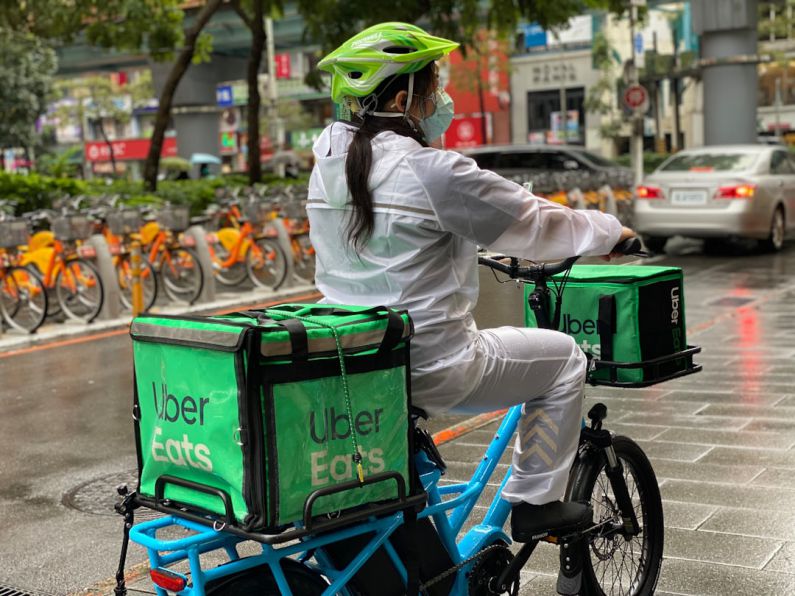
With growing concerns about environmental sustainability, there is an increasing focus on making last mile delivery more eco-friendly. Companies are exploring alternative modes of transport, such as electric vehicles and bicycles, to reduce carbon emissions and minimize the environmental impact of deliveries.
Implementing sustainable practices in last mile delivery not only benefits the environment but can also improve brand reputation and appeal to environmentally conscious consumers. By prioritizing sustainability in their delivery operations, companies can demonstrate their commitment to social responsibility and attract a growing segment of environmentally conscious customers.
Adapting to Changing Market Dynamics
As consumer behavior continues to evolve, businesses must adapt to changing market dynamics and embrace innovation in last mile delivery solutions. The rise of e-commerce and the increasing demand for fast, convenient delivery options are reshaping the way companies approach logistics and supply chain management.
By investing in technology, optimizing delivery routes, and prioritizing customer experience, businesses can stay ahead of the competition and meet the growing expectations of today’s consumers. The last mile delivery is no longer just a logistical challenge but a strategic opportunity for companies to differentiate themselves and drive success in the competitive marketplace.
In conclusion, the growing importance of last mile delivery solutions cannot be understated in today’s fast-paced and customer-centric business landscape. Companies that prioritize efficiency, innovation, and sustainability in their delivery operations are better positioned to meet the evolving needs of consumers and stay ahead of the competition. By leveraging technology, adapting to changing market dynamics, and focusing on customer experience, businesses can ensure seamless and reliable delivery experiences that drive customer satisfaction and loyalty.