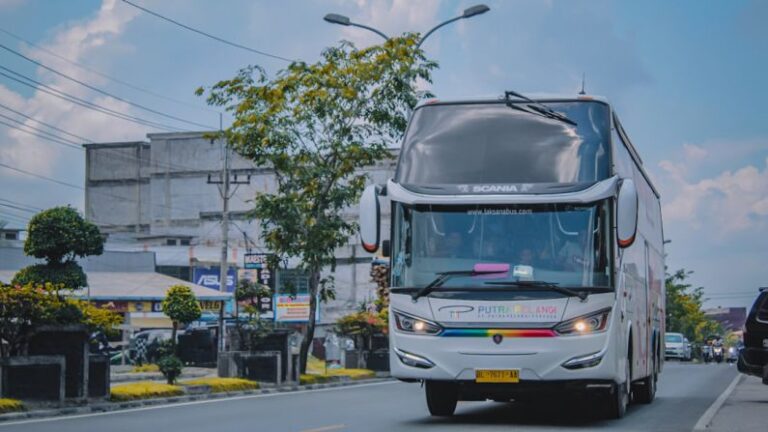
The Growing Trend of Autonomous Freight Transportation
The transportation industry is on the cusp of a major revolution with the rise of autonomous freight transportation. This growing trend is set to change the way goods are moved from one place to another, offering a range of benefits including increased efficiency, reduced costs, and improved safety. As technology continues to advance, more companies are exploring the potential of autonomous vehicles to transform the logistics sector.
**The Rise of Autonomous Freight Transportation**
Autonomous freight transportation refers to the use of self-driving vehicles to transport goods without the need for human intervention. These vehicles are equipped with advanced technology such as sensors, cameras, and artificial intelligence to navigate roads, avoid obstacles, and make decisions in real-time. The concept of autonomous freight transportation is not entirely new, but recent advancements in technology have made it more feasible than ever before.
**Benefits of Autonomous Freight Transportation**
One of the key advantages of autonomous freight transportation is increased efficiency. Self-driving vehicles can operate around the clock, without the need for breaks or rest periods, leading to faster delivery times and improved productivity. In addition, autonomous vehicles can optimize routes, avoid traffic congestion, and reduce fuel consumption, resulting in cost savings for companies.
Another significant benefit of autonomous freight transportation is improved safety. Human error is a leading cause of accidents on the road, but autonomous vehicles are designed to follow traffic laws, maintain safe distances, and react quickly to potential hazards. By reducing the risk of accidents, autonomous freight transportation can help save lives and prevent costly damage to goods and infrastructure.
**Challenges and Considerations**
While the potential benefits of autonomous freight transportation are clear, there are also challenges and considerations that need to be addressed. One of the main concerns is the regulatory framework surrounding autonomous vehicles. Laws and regulations vary from country to country, and there is still uncertainty about how autonomous vehicles will be integrated into existing transportation systems.
Another challenge is the need for infrastructure improvements to support autonomous freight transportation. For example, roads may need to be upgraded with sensors and communication systems to facilitate the safe operation of self-driving vehicles. Additionally, companies will need to invest in training and technology to ensure that their employees are prepared to work alongside autonomous vehicles.
**The Future of Autonomous Freight Transportation**
Despite these challenges, the future of autonomous freight transportation looks promising. Major companies such as Tesla, Uber, and Waymo are investing heavily in autonomous vehicle technology, and pilot projects are already underway in various parts of the world. As technology continues to advance and regulations evolve, we can expect to see more autonomous vehicles on the road in the coming years.
**In Conclusion**
The growing trend of autonomous freight transportation has the potential to revolutionize the logistics industry, offering benefits such as increased efficiency, improved safety, and cost savings. While there are challenges to overcome, the momentum behind autonomous vehicles shows no signs of slowing down. As companies continue to innovate and invest in this technology, we can expect to see a future where self-driving trucks and drones are a common sight on our roads.